
Foil Assist Specific Boards


Foil Assist Specific Boards
What are Foil Assist-Specific Foilboards
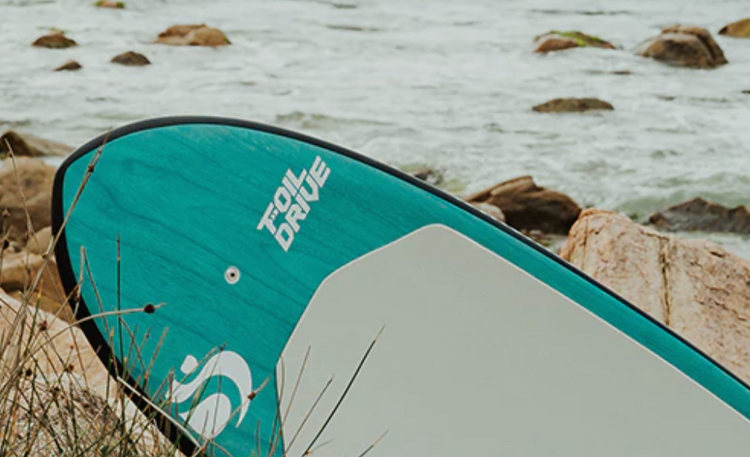
Foil assist systems—like the Foil Drive and similar electric motor kits—are designed to give your foilboard an extra boost. These systems make it easier to get up on foil, extend your ride time, and unlock new possibilities for riders of all skill levels. While most foil assist systems can be retrofitted to existing boards, there’s a growing range of boards built specifically to optimize the performance and integration of these systems.
Key Features of Foil Assist-Specific Foilboards
1. Board Shape and Dimensions
Foil assist-specific boards are typically lightweight, longer, and narrower than traditional wing or prone foil boards. This streamlined design boosts efficiency, making it easier to get up on foil and maintain your glide. Some brands take it a step further with a recessed deck and a dedicated battery trench, which minimizes water turbulence and drag while increasing control and responsiveness. With the battery weight positioned closer to your feet, these boards feel incredibly balanced and let you foil longer on a single charge.
When choosing a board, length is the most important factor—it’s even more crucial than volume or width. Longer boards glide more efficiently, making them ideal for use with foil assist systems. In contrast, wider and curvier boards tend to push water in front of them, which decreases glide and speed, making it harder to accelerate and get on foil.
2. Construction and Materials
Foil assist boards are usually made from materials like fiberglass or carbon fiber. Carbon fiber boards are stiffer and lighter, but they can interfere with the wireless signal between your controller and the system’s antenna. Water and carbon can cause signal interruptions, so many foil assist-specific boards include a "signal window" in the nose to minimize these issues. Some boards are even designed so the antenna aligns perfectly with the mast track.
For the best connectivity, fiberglass, S glass, and E glass are ideal, followed by hybrid constructions (half carbon/half fiberglass), with full carbon boards being the least effective.
NOTE: Full carbon boards with full carbon mast tracks often have poor signal performance and may not work properly. If you’re using a carbon board, ensure it doesn’t have a full carbon mast track, and consider using foam in the tracks to help optimize the signal.
3. Bottom Contour and Mast Track
Many foil assist boards feature bottom contours specifically designed for powered takeoffs, such as flatter sections for easier planing or beveled rails for added stability. A flat hull and wider tail can also help you get on foil faster with less power. Some brands, like Appletree, have introduced a battery trench on the bottom of the board to further reduce drag and eliminate the sensation of extra weight. Again, be cautious with full carbon mast tracks in full carbon boards, as they may cause connectivity issues.
Performance and Use Cases
- Efficiency: Longer, narrower boards are more efficient for getting up on foil and maintaining speed.
- Versatility: Some boards are optimized for specific disciplines (e.g., prone, downwind, winging).
- Stability: Wider tails and beveled rails add stability during takeoff and in choppy water, which is especially helpful when starting with the extra weight of a motor and battery.
Keep in mind - The lighter you are, the more flexibility you have in board shape, volume, and dimensions, thanks to a higher thrust-to-weight ratio and longer runtime. For heavier riders, these design considerations become even more important, as the system’s efficiency and thrust are more limited.
Compatibility and Modularity
Most foil assist systems, especially Foil Drive, are designed to be modular and compatible with a wide range of boards and foils. However, boards specifically designed for foil assist offer optimized performance, easier installation, and better handling of the additional weight and torque.
In Conclusion
Foil assist-specific foilboards are engineered to maximize the benefits of electric foil assist systems. With longer, narrower shapes for efficiency, optimized bottom contours, and thoughtful integration for electronics, these boards make it easier to get up on foil, offer increased stability, and are well-suited for a variety of conditions and riding styles—whether you’re prone foiling, winging, or just looking for an extra boost in challenging conditions.
Experience the future of foiling with Foil Drive's revolutionary electric assist systems - where cutting-edge technology meets pure water excitement.
Read Green Hats [NEW] blog about it : Foil Assists Systems | Foil Drive